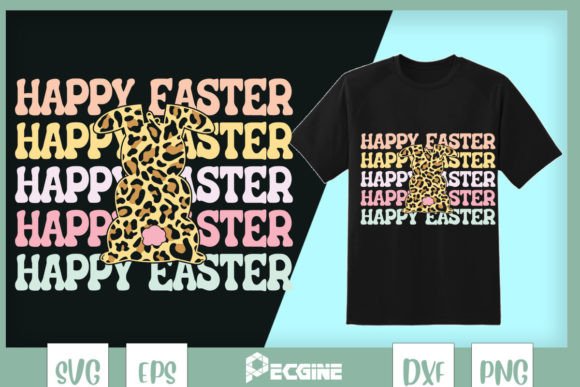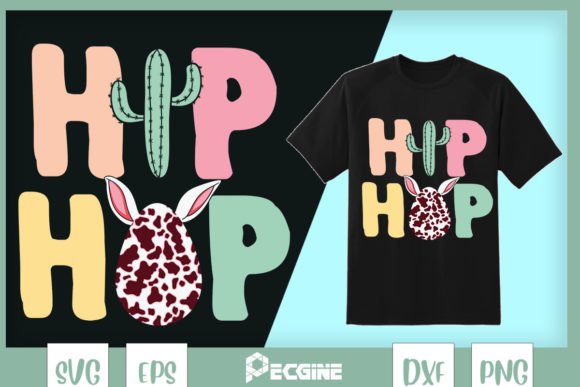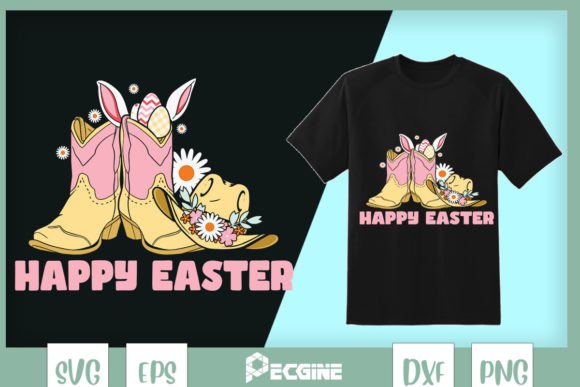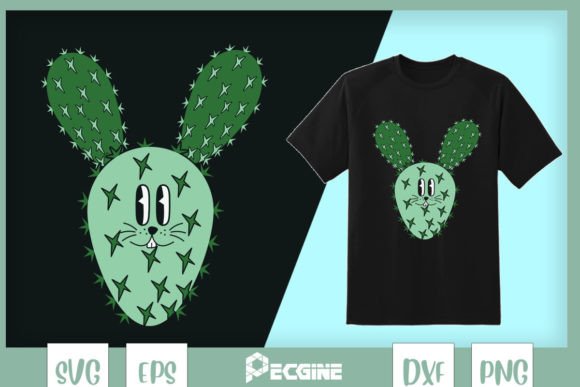
Hoopable Easter Bunny Review
As a designer who spends half my day staring at stitch density charts and the other half debating thread colorways, I don’t just buy embroidery files—I vet them. When Hoopy EAster Western Easter Bunny landed in my inbox, I didn’t immediately think about holiday sales or seasonal trends. I thought about the practicalities of execution. Would this design hold up on a curved cap? Would it look cluttered on a delicate baby onesie? Could it anchor a boutique brand’s spring collection without feeling like a generic clip-art afterthought?
I’ve reviewed hundreds of digital assets, ranging from intricate floral monograms to bold graphic tees. Most fall into one of two camps: too simple to be interesting, or too complex to stitch reliably. Hoopy EAster Western Easter Bunny, however, sits in that sweet spot of visual personality and technical feasibility. It’s part of the broader T-Shirt Designs and Graphics category, but let’s be clear: this is a machine embroidery design first. The fact that it comes as an SVG, PNG, DXF, and EPS with transparent backgrounds is a huge plus for versatility, but my focus here is strictly on how it performs when pulled through a hoop.
First Impressions: Mood and Visual Weight
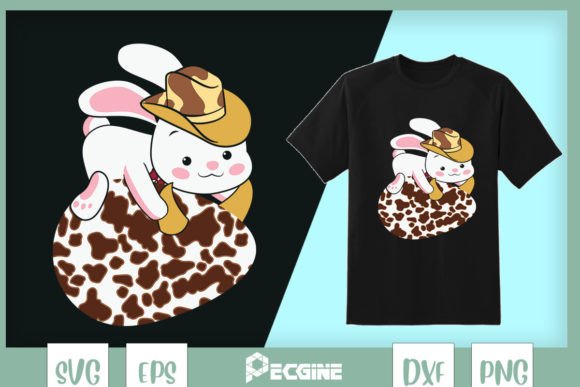
The moment you open the file, the “Western” theme is evident. This isn’t your standard fluffy bunny; it has attitude. The layout suggests a character-driven approach, likely featuring elements like cowboy hats, boots, or bandanas integrated into the silhouette. For a designer, this is crucial. A plain bunny is safe, but a western-themed character tells a story. It evokes nostalgia, playfulness, and a touch of rustic charm.
Visually, the design feels balanced. In embroidery, balance isn’t just about symmetry; it’s about weight distribution. If one side of the design is heavily filled while the other is sparse, the fabric can pucker or shift during stitching. From what I can see in the preview, the negative space is utilized well. This means less chance of distortion on lightweight fabrics, which is a common headache for small business owners trying to sell high-quality personalized gifts.
Real-World Application: Where Does It Fit?
Let’s talk about real use cases. I recently had a client request a limited run of embroidered tote bags for a local craft fair. They wanted something festive but not cliché. Hoopy EAster Western Easter Bunny would have been perfect for this. Placed centrally on a canvas tote, the design would pop against the natural texture of the bag. The western theme adds a layer of sophistication that appeals to adults who might otherwise skip over traditional pastel Easter motifs.
But it’s not just for totes. Consider custom apparel. On a heavyweight sweatshirt, this design could serve as a statement piece for spring break or family matching outfits. The bold lines typical of western graphics translate well to thicker fabrics, where fine details might get lost. Similarly, for custom apparel like t-shirts, the clean vector nature of the source files ensures that even if you’re converting between formats, the edges remain crisp.
Another strong contender for this design is nursery decor. Embroidered wall hangings are trending, and a western bunny fits right into a boho-rustic nursery aesthetic. However, this brings us to a critical consideration: scale. While the design works beautifully on larger items, its viability on smaller products requires careful evaluation.
The Small Scale Challenge
If you plan to use Hoopy EAster Western Easter Bunny on tiny items like baby socks or miniature patches, proceed with caution. Small hoop sizes often force the digitizer to simplify details to prevent needle breaks. If the original design includes intricate stitching in the eyes or hooves, those areas might merge into blobs when scaled down. I always advise testing the design at 50% scale in your software before committing to production. Check the stitch density closely—too much thread in a small area will create a stiff, uncomfortable patch, especially on baby embroidery projects where softness is paramount.
Fabric and Thread Considerations
The success of any embroidery project lies in the foundation. For a design like this, which likely features both solid fills and outlined details, choosing the right stabilizer is non-negotiable. On stretchy fabrics like jersey knits (common for t-shirt designs), a cut-away stabilizer is essential to prevent shifting. On woven cottons, a tear-away might suffice, but only if the design isn’t overly dense.
Thread color selection is equally important. The western theme lends itself to earth tones—browns, tans, ochres, and deep reds—but don’t be afraid to contrast this with bright pastels for the bunny itself. If you’re working on dark fabric, you’ll need a heavy underlay or a white base layer to make the colors vibrant. Without proper contrast management, the design can look muddy, reducing the perceived value of your handmade product.
Technical Notes for the Savvy Seller
For those of you selling these designs as digital assets or finished goods, here are a few practical tips:
- Test on Scrap Fabric: Never go straight to the final product. Stitch the design on a scrap of the same material to check for tension issues and thread breaks.
- Check Licensing: Before listing this on Etsy or your own shop, verify the commercial use rights. Some designers allow unlimited personal use but restrict commercial sales to a certain number of units.
- Inspect Small Details: Zoom in on the digital file. Are there any overlapping stitches that shouldn’t be there? Does the satin stitch around the edges look smooth, or does it appear jagged? Jagged edges can signal poor digitizing, which leads to frustrated customers.
- Mockup Wisely: Use the provided PNG files to create realistic mockups. Show the design on different fabric textures—a denim jacket, a linen apron, a cotton bib—to help buyers visualize the final result.
Final Verdict: Is It Worth Adding to Your Library?
In short, yes. Hoopy EAster Western Easter Bunny offers a unique twist on a classic holiday icon. It bridges the gap between cute and cool, making it appealing to a wide demographic. Whether you’re creating personalized gifts for friends, stocking your shelves for a craft fair, or expanding your Etsy seller catalog with fresh seasonal content, this design delivers.
It’s versatile enough for commercial embroidery projects yet charming enough for hobbyists looking to add a personal touch to their home decor. Just remember: the best embroidery designs are those that respect the limitations of the medium while maximizing creative potential. This bunny respects the hoop. It respects the fabric. And most importantly, it respects the customer’s desire for something that looks professionally made.
So, load up your machine, pick your threads, and give it a try. Just maybe save a few scrap pieces for practice first. You don’t want to learn a lesson the hard way on your last remaining vintage pillow cover.