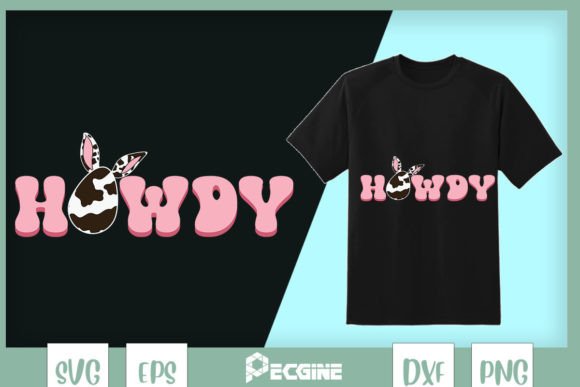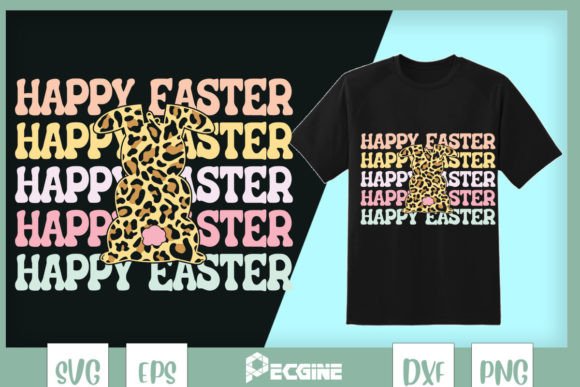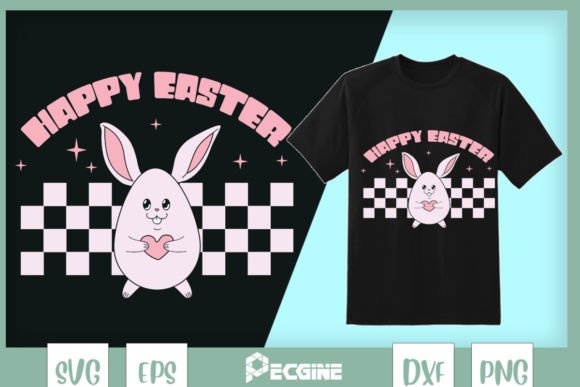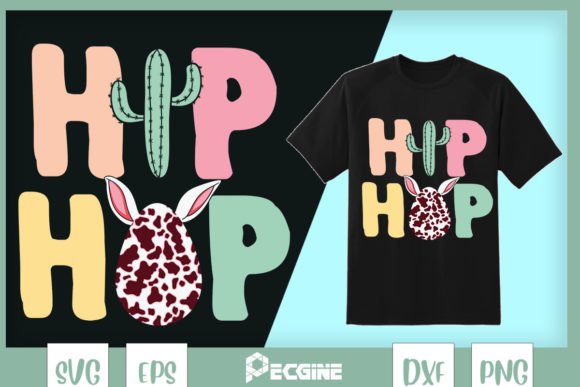
Howdy Hunny Western Easter Bunny
As a designer who spends more time judging stitch density than choosing thread colors, I approach every new digital asset with a healthy dose of skepticism. The market is flooded with clipart that looks cute on screen but falls apart under the needle. When I first pulled up Howdy Hunny Western Easter Bunny, my immediate question wasn’t about the theme—it was about execution. Would this translate well into a tangible, sellable product, or would it just be another file gathering dust in a folder?
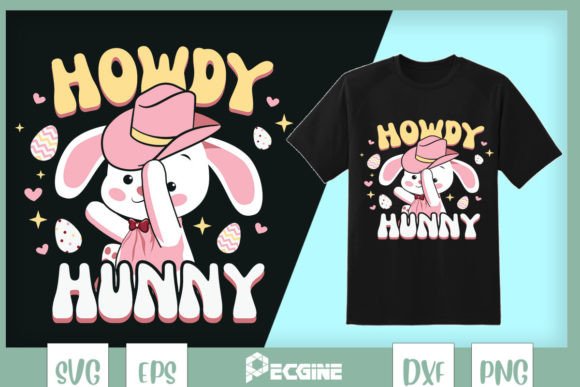
The answer, after running some mental simulations and reviewing the visual assets, is a qualified yes. This design brings a specific, cozy energy to the table that fits perfectly into the current trend of rustic, farmhouse-style decor and apparel. It isn’t just a generic bunny; it carries a narrative. The "Howdy Hunny" text combined with the western aesthetic creates an instant mood board for springtime crafts, boutique baby items, and personalized gifts.
First Impressions and Visual Personality
The first thing you notice is the layout’s balance. In embroidery, whitespace is just as important as the stitched area. Howdy Hunny Western Easter Bunny manages to feel full without being cluttered. The typography appears friendly and hand-lettered, which suggests a softer finish when stitched compared to rigid block fonts. This is crucial for the target audience of crafters and Etsy sellers who want their products to feel handmade and artisanal rather than mass-produced.
The western theme is executed with restraint. There are no overwhelming cacti or excessive rodeo imagery that might date the design quickly. Instead, it relies on the vibe—earthy tones, playful attitude, and seasonal relevance. This makes it versatile. It works as a standalone graphic for a t-shirt design category but shines brightest when adapted into textile applications where texture can enhance the western motif.
Real-World Application: From Screen to Stitch
Let’s talk about real project use. Imagine you are preparing inventory for your small shop for the upcoming holiday season. You need something that appeals to parents looking for unique baby shower gifts or Easter outfits. I envision Howdy Hunny Western Easter Bunny stitched onto a cream-colored muslin tote bag using soft pastel threads. The contrast between the natural fabric texture and the smooth satin stitches of the lettering would create a high-end look that justifies a premium price point.
Another strong candidate for this design is a sweatshirt embroidery project. For adults who want to celebrate Easter in a subtle, stylish way, a chest-sized placement on a heather grey hoodie could work beautifully. The design’s scale seems appropriate for this kind of custom apparel. It’s not so large that it dominates the garment, nor so small that it gets lost. It sits comfortably in that sweet spot of visibility and elegance.
I also see potential in nursery decor. A pillow cover featuring this design, perhaps with a light fill stitch background to add dimension, would fit right into a modern farmhouse nursery. The giftability factor here is high. People love buying personalized gifts, and this design lends itself well to customization—adding a child’s name or a birth year alongside the main graphic could significantly boost its appeal as a commercial embroidery item.
Technical Considerations for Embroidery Designers
However, beauty is only half the battle. As experienced makers, we know that digital files are just the blueprint. Here is where you need to pay attention when working with Howdy Hunny Western Easter Bunny.
- Hoop Size and Scale: Before committing to a production run, confirm the hoop size requirements. If the design includes intricate details in the text or decorative elements, ensure your machine’s maximum hoop size accommodates it without requiring multiple re-hooping, which can lead to registration errors.
- Stitch Density: Review the stitch density carefully. Western themes often benefit from clean lines, but if the fill stitch areas are too dense, the fabric may pucker, especially on lightweight materials like thin cotton or jersey knits. Test on scrap fabric first to gauge how the stabilizer interacts with the base material.
- Thread Color Contrast: The success of any embroidery project hinges on thread selection. Since this design likely features both text and graphical elements, choose thread colors that pop against your chosen fabric. On dark fabrics, you will need a heavier underlay or a different color strategy to ensure the design remains legible and vibrant.
- Small Details and Lettering: Inspect the smaller letters in "Hunny." Tiny running stitch or satin stitch details can sometimes merge together if the resolution isn’t high enough or if the fabric stretches during stitching. If you are selling these as finished products, clarity is key to maintaining customer trust.
Where to Use (and Where to Hesitate)
This design excels on stable, woven fabrics. Tote bags, canvas aprons, and structured caps are ideal candidates. The weight of these materials supports the embroidery well, resulting in a professional-looking finished product. Similarly, kitchen towels and tea towels offer a flat, consistent surface that allows the design to shine without distortion.
Conversely, there are places where you should exercise caution. Avoid using this on highly textured fabrics like heavy chenille or loose-weave burlap unless you have extensive experience managing such surfaces. The lack of a smooth base can cause thread breaks or uneven tension. Also, be mindful of stretchy fabrics like spandex blends used in activewear. Without proper stabilizers and technique, the design may distort over time, leading to returns or negative reviews for your Etsy listing.
Additionally, consider the washing durability. If you are creating merchandise intended for frequent use, such as baby clothes or daily-wear tote bags, ensure the design does not rely solely on delicate, long floating stitches that might snag. Reinforcing these areas digitally before exporting the embroidery file can save you headaches later.
Final Verdict for Craft Business Owners
For digital product sellers and creative entrepreneurs, Howdy Hunny Western Easter Bunny offers a solid foundation for a seasonal collection. It taps into the popular western aesthetic while remaining relevant to the Easter holiday. It is not a revolutionary design, but it is a reliable one. It checks the boxes for visual appeal, versatility, and marketability.
If you are an Etsy seller looking to refresh your spring inventory, this graphic provides a great starting point. Pair it with complementary design assets, test various thread combinations, and present it in high-quality printable mockups. The transparent background included in the package gives you flexibility in how you display the design in your listings, allowing you to visualize it on different backgrounds before a single stitch is made.
Ultimately, the value of this design lies in its adaptability. It respects the craft of embroidery by offering a clear, balanced composition that rewards good technique. By taking the time to test it properly and choose the right materials, you can transform this simple graphic into a cherished handmade product that customers will love. Just remember to check the licensing terms before selling finished items to ensure you are protected as a small business owner.