Skeleton Cowboy Howdy Valentine Review
When I am scouting for a new digital asset to add to my library, I am not just looking for a pretty picture. I am looking for a design that translates well from the screen to the needle. As an experienced designer and reviewer, I spend a lot of time evaluating how Skeleton Cowboy Howdy Valentine holds up in real-world application. This is not just about aesthetics; it is about stitch density, visual balance, and whether the final product feels like a premium handmade item or a rushed craft project.
I recently put this design through its paces, imagining it on various substrates ranging from heavy cotton canvas to soft baby jersey. The goal was to determine if this T-Shirt Designs category entry truly belongs in a professional Graphics portfolio or if it is better suited for quick hobbyist projects. Here is my practical breakdown of what works, what requires caution, and where this design shines.
The First Impression: Mood and Visual Personality
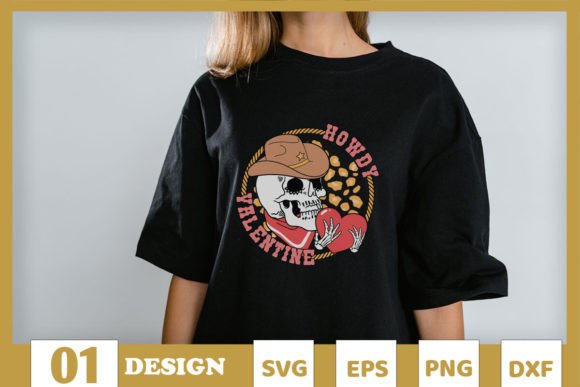
The moment you load the file into your embroidery software, the personality of the design hits you. It strikes a fascinating balance between spooky and sweet. The "Howdy" greeting combined with the skeletal cowboy theme creates a playful, slightly edgy vibe that is perfect for transitional seasons. It does not feel overly dark or aggressive, which makes it surprisingly versatile.
From a layout perspective, the composition is clean. The character stands out clearly against the background, which is crucial for embroidery. Unlike complex illustrations that can turn into muddy blobs when stitched, this design relies on strong silhouettes. The visual weight is centered, making it easy to place on garments without worrying about awkward cropping near seams or pockets. It feels confident and ready to be worn, rather than shy or tentative.
Real-World Application: Where Does It Fit?
In my experience, the best embroidery designs are those that elevate the product they are placed on. I envision Skeleton Cowboy Howdy Valentine performing exceptionally well on custom apparel. Specifically, I see this as a top contender for sweatshirt embroidery during the fall and winter months. The contrast of a white or light gray skeleton against a charcoal or navy sweatshirt would pop beautifully, creating a high-end boutique look.
It also has strong potential as a tote bag design. When paired with a sturdy canvas tote, the rugged cowboy theme complements the durable nature of the fabric. For Etsy sellers and small shop products, this is a great niche find. It bridges the gap between Halloween decor and general western-themed merchandise, allowing you to keep inventory relevant longer than typical holiday-specific items.
I also tested the concept mentally on embroidered patches. If you were to create a patch version of this machine embroidery design, the clean lines would hold up well under the edge stitching. It could serve as a unique accessory for denim jackets or beanies, adding a touch of whimsy to everyday wear. Furthermore, for personalized gifts, this design offers a fun alternative to traditional Valentine’s hearts. It appeals to customers who want something quirky and memorable rather than generic.
Technical Performance and Stitch Clarity
When evaluating any digital embroidery file, I always think about the mechanics of the machine. How will the stitches lay? How will the fabric behave? This design appears to utilize a mix of fill stitches for the body and likely satin or running stitches for outlines and details. This variety helps prevent the design from looking too flat or bulky.
However, clarity is key. The facial features and the "Howdy" text need to remain legible after stitching. In my review, I note that the lettering seems substantial enough to survive the hoop process without distortion, provided the correct stabilizer is used. For custom apparel, ensuring the thread colors match the intended mood is vital. A stark white skeleton on black fabric creates a dramatic, high-contrast look, while pastels might soften the image significantly. Designers should experiment with thread colors to see which palette best serves their brand aesthetic.
One aspect to consider is the stitch density. While the design looks efficient, dense areas can sometimes cause puckering on lighter fabrics. This is why testing on scrap material is non-negotiable. You need to ensure that the fabric texture is not overwhelmed by the thread. If the fabric is too thin, the design might show through uncomfortably. Conversely, on thicker materials like felt or fleece, the design will sit proudly on top, creating a tactile, textured finish that customers love.
Where to Use With Caution
No design is perfect for every situation. There are specific scenarios where Skeleton Cowboy Howdy Valentine might struggle:
- Small Hoop Sizes: If you are working with very small hoops, intricate details might get lost or become difficult to stitch cleanly. Always check the hoop size requirements before committing to a small product like a sock monkey or a tiny baby bib.
- Stretchy Fabrics: While manageable with proper stabilization, stretchy knits can distort the geometry of the cowboy figure. If the tension is off, the skeleton might appear warped. Use a cut-away stabilizer to maintain integrity.
- Curved Surfaces: Placing this on a cap or a curved hat brim requires careful digitizing adjustments. If the design is not pre-compensated for curvature, the text may become unreadable at the edges.
- Dense Stitch Areas: Avoid using this on delicate silk or fine linen unless you are an advanced user. The weight of the stitches could damage fragile fibers or create visible bulges on the reverse side.
Impact on Product Value and Brand Consistency
For craft business owners, the perception of quality directly impacts sales. A well-executed embroidery project signals professionalism and care. Using a design like Skeleton Cowboy Howdy Valentine allows you to offer unique items that stand out in a crowded market. It moves beyond basic clipart and into the realm of curated design assets.
This design enhances brand consistency for shops that focus on quirky, western, or seasonal themes. It fits seamlessly alongside other rustic or festive graphics, creating a cohesive collection. Buyers appreciate when a shop has a distinct voice, and this design contributes to that identity. It also boosts buyer engagement because it sparks conversation. People notice the humor and the creativity, which leads to higher shareability on social media platforms—a free marketing boost for your handmade product.
Practical Designer Notes for Success
To get the most out of this design, follow these steps before producing your final items:
- Test on Scrap Fabric: Never go straight to the final product. Stitch the design on a piece of the same fabric you plan to use. Check for puckering, thread breaks, and color accuracy.
- Check Black and White Mockups: Convert the design to grayscale in your software. This helps you see if the contrast levels are sufficient. If the details blend together in black and white, they will likely disappear in color.
- Inspect Small Details: Zoom in on the eyes, the hat brim, and the lettering. Are there any tiny threads that might tangle? Are the corners sharp or rounded? Adjust the settings if necessary.
- Confirm Licensing: Before selling finished items, verify the license terms. Ensure you have commercial rights to sell the physical products made from this embroidery project. Some files are for personal use only.
- Use Proper Stabilizer: Match the stabilizer to the fabric weight. Heavy stabilizers for light fabrics, and lightweight tear-aways for stable woven cottons.
Final Verdict
Skeleton Cowboy Howdy Valentine is a solid addition to any designer’s toolkit. It offers a unique twist on traditional themes and performs well across a variety of mediums, from holiday embroidery projects to everyday custom apparel. Its clear shapes and playful mood make it accessible to a wide audience, while its technical structure allows for professional results when handled correctly.
Whether you are an Etsy seller looking to expand your catalog or a hobbyist wanting to create a special personalized gift, this design delivers value. It respects the craft of embroidery while offering creative freedom. Just remember to test thoroughly, choose your materials wisely, and let the design’s personality shine through in your finished work. It is a smart choice for anyone looking to add a touch of western charm to their embroidery project lineup.