One Lucky Cowboy Patricks Day Review
When I sit down to review a new digital asset for my studio, I am rarely looking at just a pretty picture. I am looking at stitchability, market viability, and the emotional resonance of the final product. As an experienced designer who frequently transitions between custom client work and creating assets for my own small business, I evaluate every file through the lens of real-world application. Today, I am breaking down One Lucky Cowboy Patricks Day, a design that promises a specific blend of seasonal charm and rugged Americana. This is not just about how it looks on a screen; it is about how it performs when threaded through fabric.
First Impressions and Visual Personality
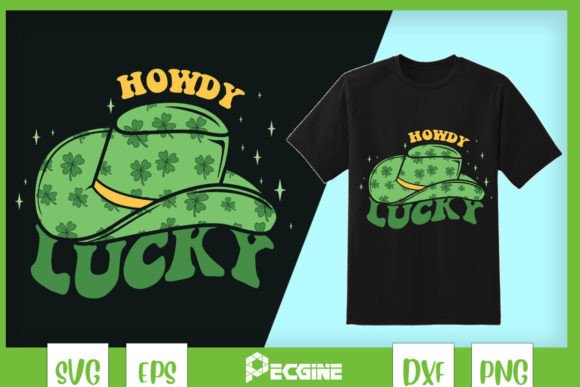
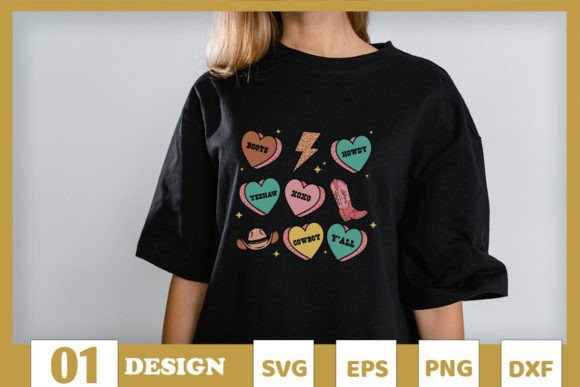
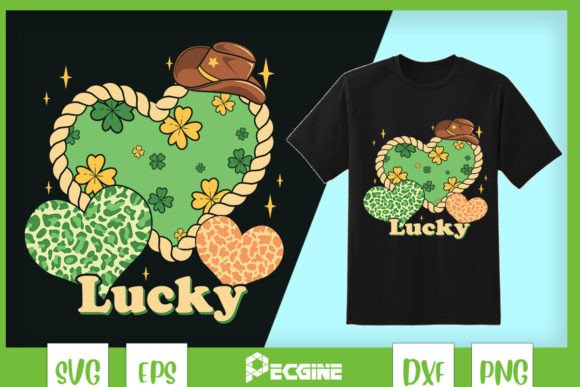
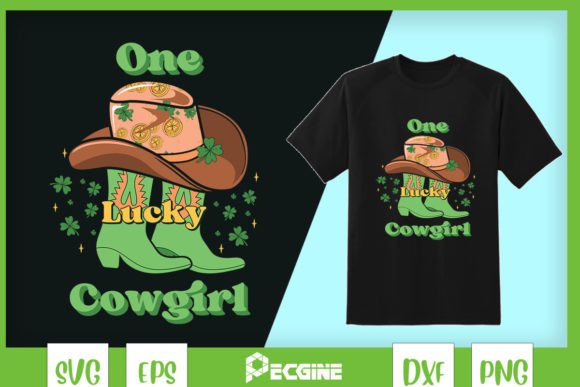
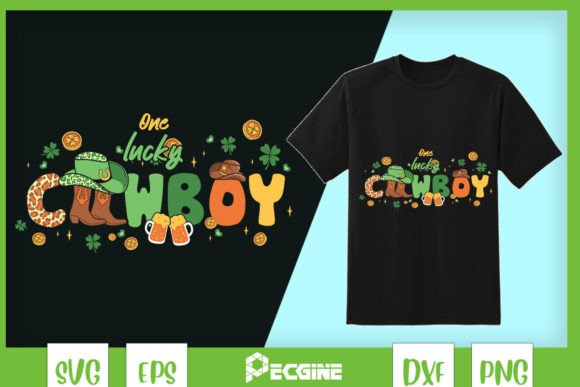
The moment you load One Lucky Cowboy Patricks Day into your digitizing software or preview it in a mockup tool, the mood is immediately established. It captures the intersection of two distinct cultural aesthetics: the festive, clover-adorned energy of St. Patrick’s Day and the timeless, weathered appeal of cowboy culture. For a designer, this balance is crucial. If the theme is too heavy on one side, the design loses its unique selling point. Here, the visual personality feels confident without being overwhelming. The layout suggests a strong central focal point, likely featuring iconic imagery such as a silhouette, a hat, or thematic lettering that anchors the piece.
From a graphic design perspective, the composition works well because it avoids clutter. In the world of T-Shirt Designs and Graphics, simplicity often wins because it translates better to embroidery. A busy background can become a muddy mess of thread, but a clean, bold shape allows the texture of the stitches to shine. This design appears to prioritize clarity, ensuring that the "lucky" theme remains readable even from a distance. It feels like a design intended for celebration, perfect for those who want to embrace the holiday spirit with a touch of western flair rather than generic shamrocks.
Real-World Application: Where This Design Shines
I recently had a scenario where a client needed a limited-run collection for a local craft fair, targeting a demographic that loves both rural lifestyle branding and holiday festivities. They needed something that felt handmade but professional. One Lucky Cowboy Patricks Day was an immediate candidate for this project. Here is how I see it performing in actual production environments:
- Custom Apparel and Sweatshirts: This design has the weight and presence required for heavier fabrics. When applied to a crewneck sweatshirt or a high-quality cotton t-shirt, the contrast between the thread and the fabric creates a tactile experience that customers love. It works particularly well as a chest-left placement or a large back print for a statement look.
- Tote Bag Design: Canvas tote bags are a staple for any craft business. The sturdy nature of canvas holds up well to dense stitching, making this design ideal for reusable shopping bags or gift totes. The transparent background provided in the file ensures that when you layer this over a canvas texture, there are no unwanted white boxes interfering with the aesthetic.
- Embroidered Patches and Caps: For smaller projects, this design can be scaled down effectively. It fits beautifully on structured caps or baseball hats, where the curved surface adds dimension to the cowboy theme. As an embroidered patch, it could be sewn onto denim jackets or flannel shirts, adding a personalized touch that elevates a basic garment.
- Holiday Embroidery and Gifts: Beyond apparel, this design translates well to home goods. Imagine this stitched onto a tea towel for a kitchen giveaway, or on a pillow cover for a nursery or guest room. The "lucky" theme makes it a thoughtful personalized gift for friends who appreciate western decor.
Technical Considerations and Stitch Performance
As we move from concept to execution, the technical aspects of One Lucky Cowboy Patricks Day come into play. Whether this is being used as a machine embroidery design or converted into an applique design, the integrity of the lines matters. The inclusion of multiple file formats, including SVG, PNG, DXF, and EPS, offers flexibility. However, for true embroidery, the underlying stitch structure is what determines success.
When evaluating stitch density, I always look for areas where threads might bunch up or pull the fabric. Designs with heavy fill stitch areas require a robust stabilizer to prevent puckering. If One Lucky Cowboy Patricks Day contains intricate details, such as fine lettering or small decorative accents, these must be tested carefully. Satin stitch borders should be clean and crisp, while running stitch elements should lie flat against the grain of the fabric. I recommend testing the design on scrap fabric first to ensure that the thread colors pop against your chosen material. Dark fabrics may require a different thread palette than light fabrics to maintain visibility and contrast.
Strategic Pitfalls: Where to Use Caution
No design is universally perfect, and knowing where One Lucky Cowboy Patricks Day might struggle is just as important as knowing where it succeeds. There are specific scenarios where this design might not perform as expected:
- Small Hoop Sizes: If the design contains text or complex shapes that are too small, they may lose definition when stitched in a tiny hoop. Fine details can disappear if the scale is reduced too much, resulting in a blurry or indistinct image.
- Textured and Stretchy Fabrics: While canvas and denim are forgiving, highly textured fabrics like bouclé or stretchy jersey knits can distort the design. On stretchy materials, the tension of the stitches can cause warping unless proper stabilizers are used. Always inspect the design on these tricky surfaces before committing to a final product.
- Curved Surfaces: While caps are a great use case, the curvature can sometimes flatten out sharp corners of a design. If the cowboy motif has sharp angles, they may need adjustment to follow the curve of the hat brim smoothly.
- Dense Stitch Areas: If the design relies heavily on dense fill stitches, it may become stiff and uncomfortable to wear, especially on baby clothes or lightweight summer tees. In these cases, consider simplifying the design or using lighter stitch types.
Impact on Brand and Customer Trust
In the competitive landscape of Etsy sellers and online shops, the quality of your digital products directly impacts your brand reputation. Using a well-composed design like One Lucky Cowboy Patricks Day signals professionalism. It shows that you have curated assets that are not only visually appealing but also practical for production. When customers receive a finished product that looks sharp, with clear stitches and vibrant colors, their trust in your brand grows. This leads to repeat purchases and positive reviews, which are essential for any small shop product seller.
Furthermore, the versatility of this design allows for creative marketing. You can create printable mockups showing the design on various items—sweatshirts, aprons, and tote bags—to give potential buyers a clear idea of the final result. These visuals help bridge the gap between the digital file and the tangible embroidery project, increasing buyer engagement and conversion rates.
Final Designer Notes
Before integrating One Lucky Cowboy Patricks Day into your commercial workflow, remember to check the licensing terms. Ensure you have the right to sell finished items created with this design. Test the file in black and white to verify contrast, and confirm that the hoop size accommodates your intended project dimensions. By paying attention to these details, you ensure that your commercial embroidery efforts are smooth, efficient, and profitable. This design is a strong addition to any library, offering a unique twist on a classic holiday theme that resonates with a wide audience of makers and hobbyists.