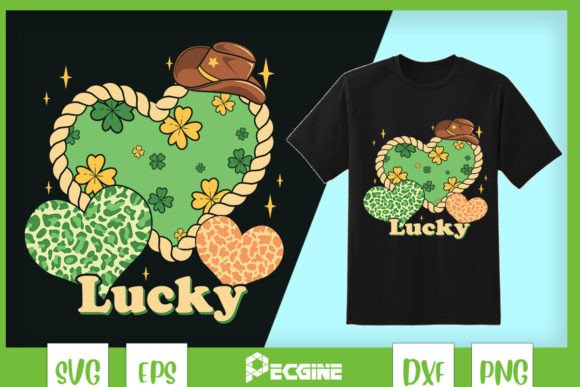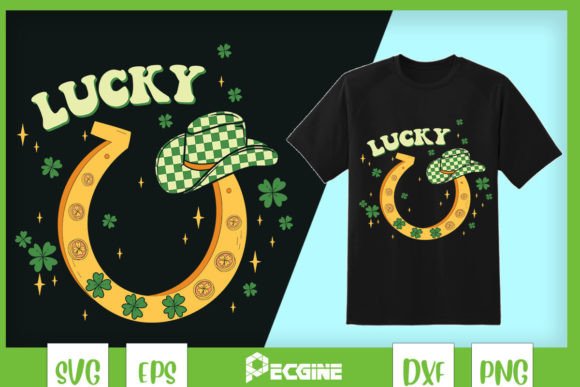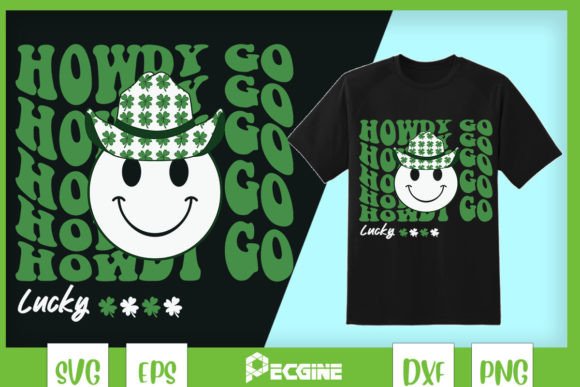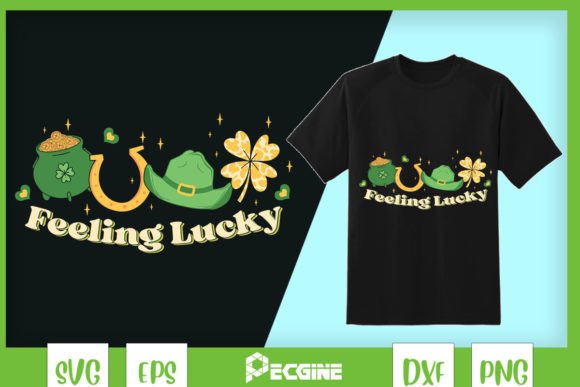
One Lucky Cowgirl Western St Patrick Review
When I sit down to review a new design file, I am rarely looking for just another pretty picture. As a designer who produces custom apparel and boutique merchandise daily, I need to know if a design will hold up in the hoop, translate well through thread, and actually sell to a customer who is scrolling past hundreds of other options. Today, I am putting One Lucky Cowgirl Western St Patrick under the microscope. This is not just about aesthetics; it is about functionality, marketability, and the practical reality of turning a digital graphic into a tangible, stitched product.
First Impressions: Mood and Visual Personality
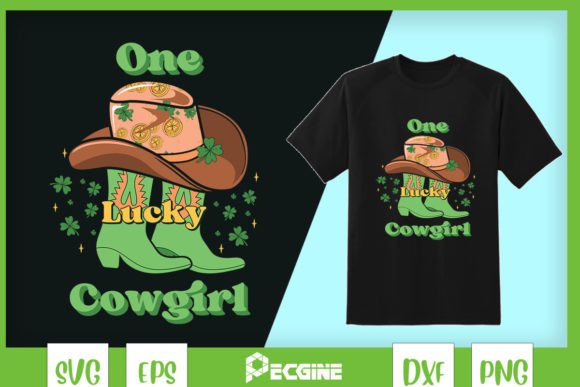
The moment you load One Lucky Cowgirl Western St Patrick into your digitizing software or design program, the theme hits you immediately. It is a playful collision of two distinct cultural icons: the rugged individualism of the American West and the festive, green-hued chaos of St. Patrick’s Day. The visual personality here is bold. It does not whisper; it shouts with a wink.
From a layout perspective, the design feels balanced. The "cowgirl" element suggests strength, independence, and perhaps a touch of sass, while the "St. Patrick" component brings in luck, celebration, and community. For an embroidery project, this duality is powerful. It allows the wearer to express two sides of their identity simultaneously. Whether it is a woman who loves rodeo culture but also enjoys a good pub crawl, or a parent buying a gift for a child who fits both descriptions, the emotional hook is strong. The mood is festive yet grounded, which is exactly what makes a handmade product feel special rather than generic.
Real-World Application: Where This Design Shines
I have taken mental notes on where One Lucky Cowgirl Western St Patrick would thrive in a real production environment. Let us talk about specific products. If you are an Etsy seller or run a small shop, this design is a goldmine for spring inventory. It bridges the gap between winter cold-weather gear and summer lightness.
Consider a heavy-weight cotton sweatshirt. Embroidering this design on a charcoal or black sweatshirt creates a striking contrast. The "western" vibe pairs naturally with denim textures, making a tote bag design or a canvas apron a natural fit. Imagine a personalized gift for a bartender or server working the St. Patrick’s Day rush—a durable embroidered patch on an apron that says, "I handle the luck, you handle the drinks." It adds professionalism to a craft business item while keeping it fun.
For baby items, the tone shifts slightly but remains effective. A soft onesie or a burp cloth featuring this design becomes a standout piece for a nursery decor collection. Parents love personalization, and a unique theme like this stands out more than a standard shamrock. It tells a story about the family’s interests. Furthermore, for holiday gifts, this design works exceptionally well as a commercial embroidery project for local boutiques. It is timely, relevant, and visually engaging enough to stop a browser in their tracks.
Stitch Clarity and Fabric Interaction
How does it stitch? That is the million-dollar question. When evaluating an embroidery file, I always think about stitch density and detail level. Designs with fine lines can get lost on textured fabrics like bouclé or thick fleece. However, the western theme usually relies on bolder shapes—perhaps boots, hats, or stylized text—which tend to render better in machine embroidery.
If this design utilizes satin stitch for outlines or lettering, those edges need to be crisp against the fabric grain. On stretchy fabrics, such as a jersey t-shirt, you must ensure the stabilizer is robust enough to prevent puckering. The "cowgirl" aspect might include intricate details like laces or fringe patterns. In a digital graphic, these look great. In thread, they require careful digitizing to avoid clumping. If the design includes fill stitch areas, check that the underlay stitches are sufficient to anchor the top thread, especially if you are using metallic threads for a "lucky" accent.
Where to Exercise Caution
No design is perfect for every surface. There are specific scenarios where One Lucky Cowgirl Western St Patrick might struggle. First, avoid tiny hoop sizes. If the design has complex detailing or multiple color changes, cramming it into a 4x4 inch hoop can result in lost details. Small corners might merge together, turning a sharp boot tip into a blob.
Textured fabrics are another risk. If you try to embroider this on a highly textured towel or a nubby wool blend, the needle may deflect, causing misalignment. Thin fabrics, like sheer chiffon or lightweight rayon, will likely pucker unless you use a tear-away stabilizer and reduce the stitch density, which might compromise the design's integrity. Dark fabrics can hide lighter thread colors, so if the design relies on white or pastel accents for the "luck" elements, you may need to switch to a bright yellow or lime green to maintain visibility.
Curved surfaces, such as baseball caps or beanies, present a challenge. While possible, the distortion of the fabric can warp the symmetry of the cowgirl figure. It requires advanced hooping techniques and possibly a curved hat hoop attachment. For beginners, flat surfaces like tote bags, pillow covers, and kitchen towels are much safer bets.
Practical Designer Notes for Execution
Before you commit to a full production run, follow these steps to ensure quality control:
- Test on Scrap Fabric: Always run a test stitch on the exact fabric you plan to use. This reveals how the thread interacts with the material texture.
- Check Thread Contrast: View your design in black and white mockups. Does the text remain readable? Do the graphical elements stand out against the background?
- Inspect Small Details: Zoom in on the digitized file. Are there any overlapping stitches that could cause tension issues? Is the running stitch too sparse to be visible?
- Confirm Hoop Size: Ensure your machine’s hoop size accommodates the design dimensions with a margin for error.
- Review Licensing: If you intend to sell finished items, confirm the commercial license terms. Digital product sellers must also verify if they can redistribute the file itself.
- Use Proper Stabilizer: Match the stabilizer to the fabric weight. Heavy fabrics need cut-away stabilizers for durability, while lightweight fabrics may benefit from water-soluble options.
Final Verdict on Market Value
One Lucky Cowgirl Western St Patrick is more than just a novelty graphic; it is a versatile asset for creative entrepreneurs. It taps into the growing demand for niche, personality-driven products. Customers today want items that reflect their specific hobbies and identities. This design delivers that sense of belonging.
For the Etsy seller, it offers a unique angle in a saturated market. Instead of competing on price for generic shamrocks, you are selling a character-driven narrative. For the hobbyist, it provides a fun weekend project that results in a polished, professional-looking finished product. The combination of western flair and Irish festivity creates a memorable visual impact that enhances brand consistency for shops focusing on eclectic or rustic themes.
In conclusion, this design earns its place in my library. It is practical, visually appealing, and commercially viable. Just remember to respect the technical limitations of embroidery. By testing thoroughly and choosing the right materials, you can transform this digital asset into a high-value handmade product that customers will cherish. Whether it ends up on a sweatshirt, a tote bag, or a baby blanket, One Lucky Cowgirl Western St Patrick has the potential to bring a smile—and a sale—to your business.