St Patrick Western Howdy Lucky Horseshoe Review
As a designer who spends more time than I care to admit staring at stitch patterns and thread tension settings, I don’t just buy embroidery files because they look cute on a screen. I buy them because they translate well into physical products. When I first pulled up St Patrick Western Howdy Lucky Horseshoe, my immediate thought wasn't about the holiday itself, but about the specific niche it occupies in the current market for handmade goods. It sits right at that intersection of rustic charm and festive cheer, which is a sweet spot for small business owners looking to diversify their inventory without alienating their core audience.
First Impressions and Visual Personality
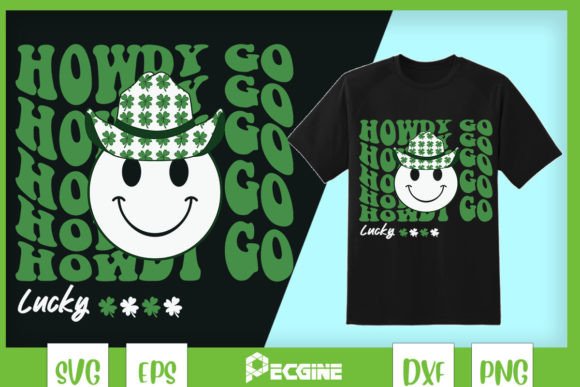
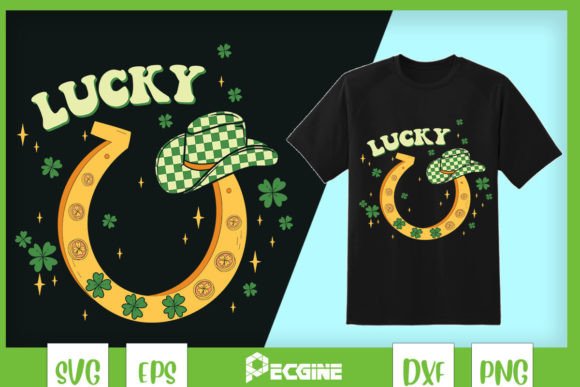
The design immediately establishes a mood that is both playful and grounded. The combination of "Howdy" with a horseshoe motif suggests a country-western aesthetic that feels authentic rather than forced. For an embroidery designer, the visual personality of a file is crucial because it dictates how customers perceive the finished product. This isn't just a generic shamrock; it has character. The layout appears balanced, likely centering the horseshoe as the primary anchor with typography that complements rather than competes.
From a graphic design perspective, the use of clean lines and distinct shapes is promising. In machine embroidery, complexity can sometimes be the enemy of clarity. If the details are too intricate, you risk losing definition during the stitching process. However, this design seems to lean into bold silhouettes, which is exactly what you want for a reliable machine embroidery design. It feels like a piece that would look equally at home on a heavy canvas tote bag as it would on a soft cotton sweatshirt, offering versatility that many designers crave.
Real-World Application: The Custom Apron Scenario
To truly evaluate any embroidery file, you have to imagine it on a real customer. Let’s say I am preparing a batch of custom kitchen aprons for a local craft fair or an online Etsy shop leading up to St. Patrick's Day. The target buyer here is someone who loves cooking but also appreciates a bit of whimsy in their kitchen decor. They aren't looking for something overly formal; they want something that sparks conversation.
In this scenario, St Patrick Western Howdy Lucky Horseshoe performs exceptionally well. The western theme adds a layer of uniqueness that separates it from the sea of standard green clovers. Imagine this stitched onto a denim or cream-colored apron. The contrast would be striking. The horseshoe shape naturally draws the eye, and the "Howdy" text adds a friendly, welcoming tone that aligns perfectly with the hospitality of a home cook. It transforms a simple utility item into a personalized gift that feels thoughtful and curated.
I also see potential in baby items. A onesie or a burp cloth featuring this design could appeal to parents who want to celebrate the holiday in a subtle, gender-neutral way. The western motif avoids the stereotypical "green everything" overload, making it appealing to a broader demographic. It’s a smart choice for anyone looking to create handmade product lines that stand out in a crowded marketplace.
Technical Considerations and Stitch Clarity
When moving from digital preview to actual stitching, several technical factors come into play. First, we must consider the stitch density. Designs with large fill areas need enough density to cover the fabric completely without showing through, but not so much that the fabric becomes stiff and unwearable. While I cannot confirm the exact stitch count without running the file through my digitizing software, the visual weight of the horseshoe suggests a moderate density that should hold up well on medium-weight fabrics.
The type of stitches used will also impact the final look. If the outline relies heavily on a satin stitch, it needs to be wide enough to lay flat and avoid puckering. Narrow satin stitches on curved shapes like a horseshoe can sometimes lift off the fabric if the underlay isn't properly placed. Conversely, if the design utilizes fill stitch for the interior, it provides a rich texture that looks professional and high-value. The running stitch elements, if present for fine details, need to be spaced correctly to ensure they remain visible after washing.
Another critical factor is the hoop size. Before committing to a production run, always check the dimensions of the design against your machine's hoop capabilities. If the design is intended for a chest logo placement on a sweatshirt, it needs to fit comfortably within a standard 4x4 or 5x7 hoop. Attempting to embroider a design that is too large for your available hoops can lead to awkward repositioning and visible seam lines, which damages the professionalism of the finished product.
Where to Use It Carefully
While this design is versatile, there are certain contexts where it might struggle. Avoid using this on very small hoop sizes, such as those used for delicate jewelry or tiny accessory tags. The details may become muddy or lost entirely. Similarly, textured fabrics like terry cloth or thick fleece can obscure the finer points of the embroidery, making the "Howdy" text harder to read. Stretchy fabrics require extra caution; without proper stabilizer support, the curves of the horseshoe may distort, ruining the symmetry.
Dark fabrics can also pose a challenge depending on your thread color palette. If the design relies on light threads for detail, ensure you have sufficient contrast. Testing on scrap fabric is non-negotiable. It allows you to inspect small details and confirm that the thread colors pop against the background material. This step saves you from wasting expensive materials and time on failed prototypes.
Product Value and Customer Appeal
For Etsy sellers and small shop product creators, the perceived value of an item is often tied to its uniqueness. A generic clipart design rarely commands a premium price, but a well-executed, thematic design like St Patrick Western Howdy Lucky Horseshoe does. It tells a story. It suggests that the maker put thought into the aesthetic choices.
This design enhances brand consistency for shops that focus on rustic, farmhouse, or western themes. It fits seamlessly into a collection that might include other nature-inspired or Americana-themed graphics. By offering this as part of a cohesive line, you build trust with your customers. They know what to expect in terms of style and quality. Furthermore, the inclusion of multiple file formats (SVG, PNG, DXF, EPS) means you can also offer this as a digital embroidery file or a print-on-demand asset, expanding your revenue streams beyond physical goods.
Final Designer Notes
Before you start producing, remember to review the licensing terms. Even though the package includes various design assets, you must confirm whether you are allowed to sell the finished physical items commercially. Some licenses restrict usage to personal gifts only, while others permit full commercial rights. Clarifying this upfront protects your business from legal issues down the line.
Additionally, test the design in black and white mockups. This helps you evaluate the composition and balance without being distracted by color. If the design still looks strong in grayscale, it will almost certainly shine in color. Pay attention to the negative space; good design breathes. Ensure there is enough room around the edges of the horseshoe and text to prevent clipping during the hooping process.
Ultimately, St Patrick Western Howdy Lucky Horseshoe is a solid addition to any designer’s library. It offers a fresh take on a popular holiday, blends well with trending aesthetics, and appears technically sound for a variety of applications. Whether you are creating custom apparel, embroidered patches, or seasonal decorations, this design provides the flexibility and charm needed to engage customers and drive sales. Just remember to test thoroughly, choose your stabilizer wisely, and let the quality of your execution speak for itself.