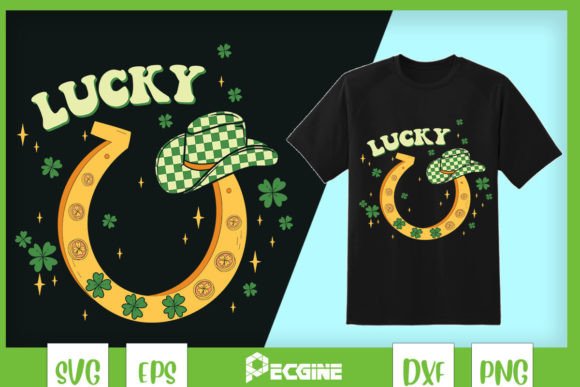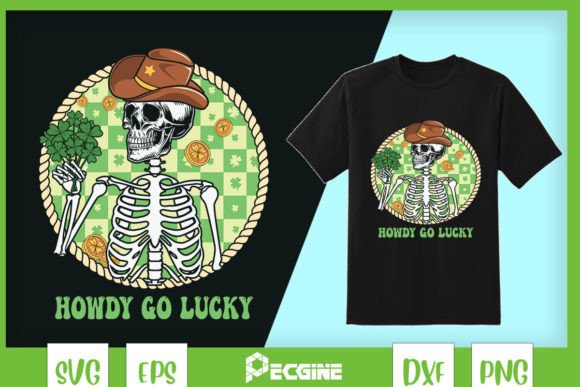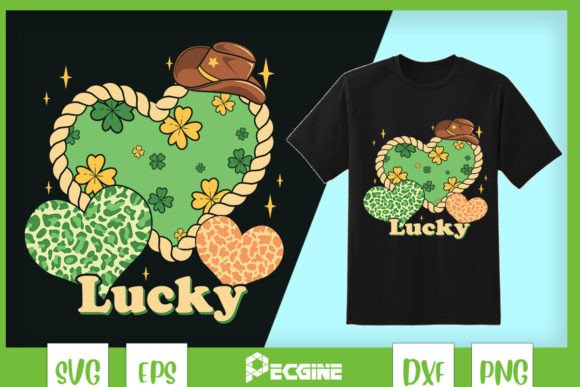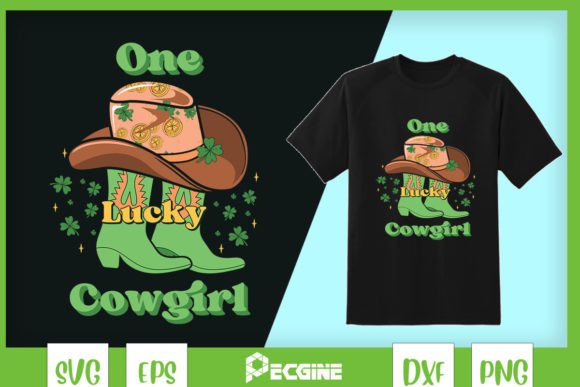
Shamrock Horseshoe Western St Patrick
When I evaluate a new machine embroidery design, I am rarely looking for just "pretty." I am looking for viability. As a designer who frequently produces custom apparel and boutique goods, my primary concern is whether a design will hold up in the hoop, translate well to different fabrics, and ultimately justify the price point for the end customer. This is why I spend so much time scrutinizing the structural integrity of a file before it ever touches my stabilizer.
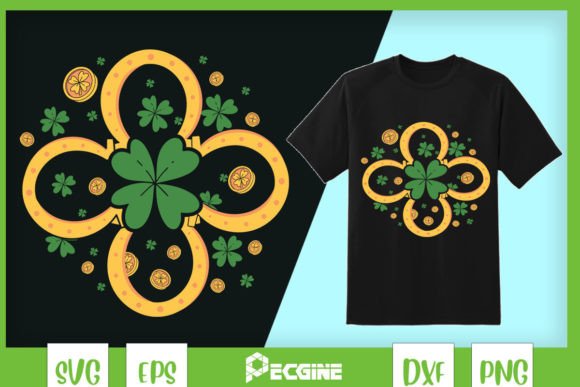
Recently, I examined the Shamrock Horseshoe Western St Patrick graphic set. While marketed under the broad umbrella of T-Shirt Designs and Graphics, its true potential lies in how it bridges the gap between seasonal novelty and timeless western aesthetic. For any Etsy seller or small shop product creator looking to capitalize on March without resorting to cliché, this asset offers a compelling visual narrative. It combines the luck of the Irish with the rugged charm of the West, creating a mood that feels both festive and grounded.
First Impressions and Visual Personality
The immediate appeal of the Shamrock Horseshoe Western St Patrick layout is its balance. In my experience, designs that try to do too much often fail during the digitizing process, resulting in tangled threads or lost detail. This design, however, appears to have a clear focal point. The juxtaposition of the shamrock—representing spring and heritage—with the horseshoe, a universal symbol of protection and good fortune, creates a layered meaning that resonates with a specific demographic.
Visually, it projects a "lived-in" confidence. It does not scream for attention like a neon graphic; instead, it invites closer inspection. This subtlety is crucial for high-end handmade products. When a customer holds a sweatshirt or a tote bag featuring this design, they are buying into a lifestyle, not just a holiday greeting. The composition suggests a western embroidery style that relies on clean lines and strong shapes, which translates beautifully to various stitching techniques.
Real-World Application: The Boutique Scenario
To truly test a design’s worth, you must imagine it in a real-life scenario. Let’s consider a practical case: preparing a collection of personalized gifts for a local craft fair or an online store targeting rural or suburban customers.
I envision taking the Shamrock Horseshoe Western St Patrick file and applying it to a heavyweight cotton canvas tote bag design intended for grocery runs or market visits. The durability of the canvas would complement the sturdy nature of the horseshoe motif. Alternatively, placing this on a heather-gray crewneck sweatshirt creates an instant classic. The contrast between the soft fabric and the structured graphic enhances the perceived value of the finished product.
Furthermore, this design excels in the realm of personalized gift items. Imagine a custom apron for a home cook who loves both St. Patrick’s Day and country living. The design fits naturally on the chest pocket area, adding a touch of personality without overwhelming the garment. For baby embroidery, a smaller version could be stitched onto a muslin swaddle or a onesie, offering parents a unique alternative to standard clover patterns. The versatility here is significant, allowing a craft business to create multiple SKUs from a single digital asset.
Performance in Embroidery Situations
From a technical standpoint, the success of any embroidery project depends on how the design interacts with the medium. The Shamrock Horseshoe Western St Patrick appears to utilize a mix of elements that require careful consideration of stitch types.
If executed as an applique design, the horseshoe shape would provide excellent stability, while the shamrock could be filled with a dense fill stitch to create texture. However, if the design relies heavily on fine details, we must consider the limitations of the hoop size. Large hoop size requirements can limit where the design can be placed on garments like caps or curved surfaces. Conversely, if the design is compact, it allows for creative placement on sleeves or cuffs, which is highly desirable for commercial embroidery clients looking for unique branding opportunities.
The inclusion of satin stitch borders around the main elements would give the design a polished, professional finish, preventing fraying and enhancing durability through frequent washing. This is critical for holiday embroidery items, which are often gifted and used repeatedly. A poorly stitched design fades quickly in the customer's mind, but a crisp, well-executed one builds brand trust and encourages repeat purchases.
Where Caution Is Required
No design is universally perfect, and there are situations where the Shamrock Horseshoe Western St Patrick might present challenges. Designers should exercise caution when working with small hoop sizes. If the intricate details of the western theme are compressed too tightly, they may become muddy or illegible, especially on textured fabrics like fleece or terry cloth.
Additionally, thin or stretchy fabrics pose a risk. Without adequate support, the tension of the stitch density can pucker the material, ruining the drape of the garment. This is particularly relevant for custom apparel made from lightweight jersey or silk blends. In such cases, a heavy-duty stabilizer is non-negotiable. Furthermore, dark fabrics may require a cut-away stabilizer and potentially a top mesh to ensure thread colors pop, whereas light fabrics allow for more flexibility in color choices.
Practical Designer Notes for Implementation
Before committing this design to production, I recommend a rigorous testing phase. First, always test the design on scrap fabric that mimics the final product’s weight and texture. This helps identify potential issues with thread colors and tension early on.
Review the stitch density closely. High-density areas can cause needle breakage or thread jams if the machine is not properly calibrated. Inspect small details, such as the inner curves of the horseshoe or the leaves of the shamrock, to ensure they remain distinct after stitching. It is also wise to test the design in black and white mockups to check for contrast and visual balance independent of color distractions.
For those using this as a digital embroidery file for resale or commercial use, confirm licensing terms explicitly. Even though the product description mentions included formats like SVG, PNG, DXF, and EPS, these are typically vector or raster templates. You must verify if the accompanying embroidery file (often PES, DST, or similar) permits commercial sales of finished goods. Using proper design assets ethically protects your small shop product business from legal issues.
Final Verdict on Visual Appeal and Value
The Shamrock Horseshoe Western St Patrick design succeeds because it taps into a niche that is often overlooked: the intersection of heritage and hobby. It appeals to the creative entrepreneur who wants to offer something more sophisticated than generic holiday clip art. By combining recognizable symbols with a western flair, it creates a printable mockup that looks authentic and desirable.
In terms of buyer engagement, this design tells a story. It speaks to people who value tradition, luck, and craftsmanship. When presented correctly on a high-quality handmade product, it elevates the item from a simple commodity to a meaningful keepsake. Whether used for a kitchen towel, a nursery decor piece, or a boutique branding element, the design maintains its integrity and charm.
Ultimately, this review highlights that the value of a design file lies not just in its aesthetics, but in its adaptability. The Shamrock Horseshoe Western St Patrick proves to be a robust candidate for a wide range of applications, provided the embroiderer respects the technical nuances of the medium. For designers seeking to expand their catalog with items that have lasting appeal beyond a single holiday, this is a worthy addition to their toolkit.